January 23, 2026
Water well drilling is a crucial process for accessing groundwater resources. Understanding the essentials of this practice can help ensure the successful installation and maintenance of a reliable water supply system. This article addresses some of the most critical questions you might have about water well drilling. Given the growing demand for sustainable water resources, exploring the intricacies of well drilling has never been more pertinent. In this article, we will delve into various aspects of water well drilling, from site selection to cost considerations.
Understanding the Basics of Water Well Drilling
Water well drilling is the process of creating holes in the ground to access water resources beneath the earth's surface. It involves the use of specialized equipment to penetrate the subsurface layers until an adequate water source is reached. The process requires careful planning and execution to ensure the efficient extraction of groundwater. Drilling ensures a stable and clean water supply, vital for residential, agricultural, and industrial use. As the demand for groundwater increases, understanding the drilling process becomes ever more crucial.
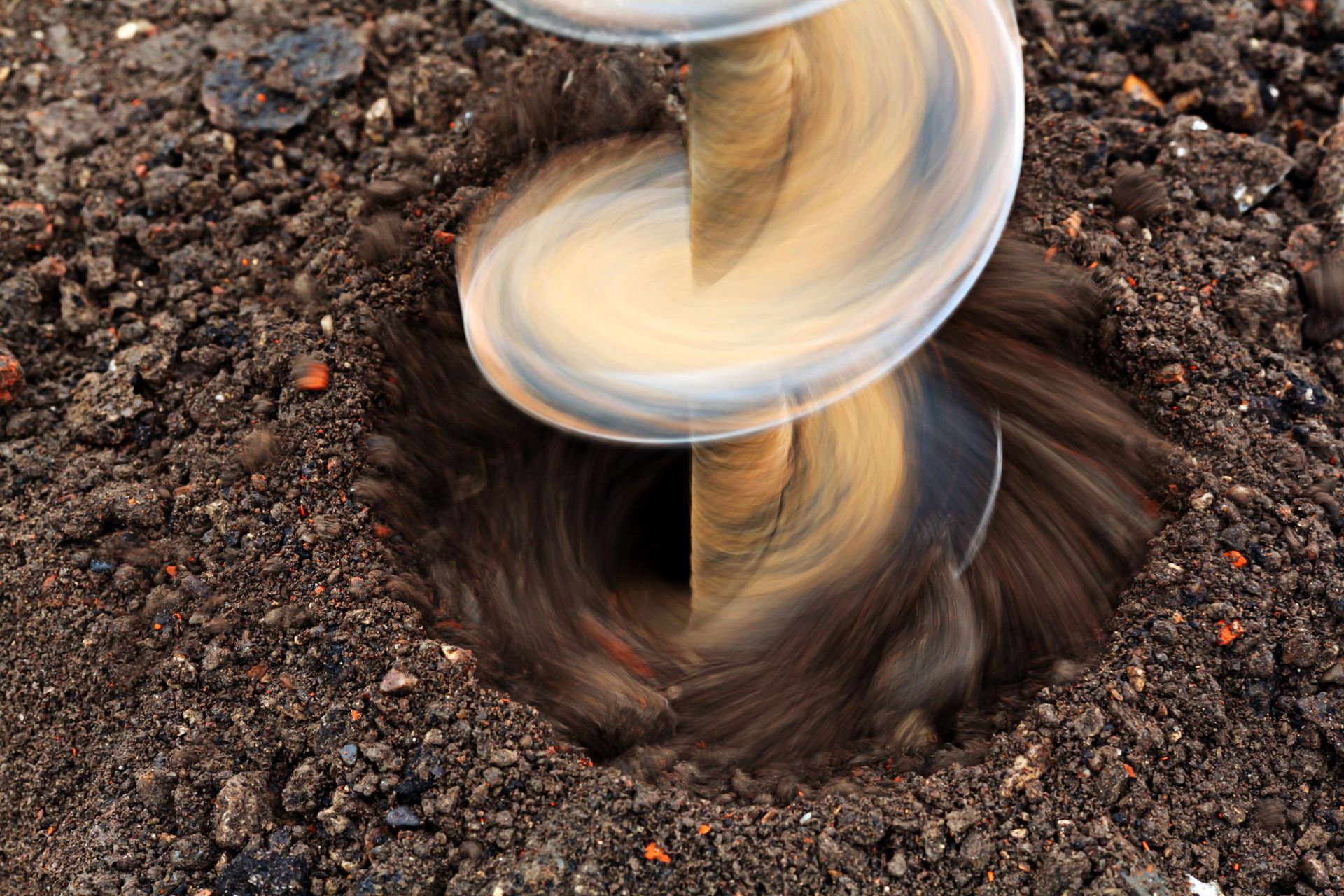
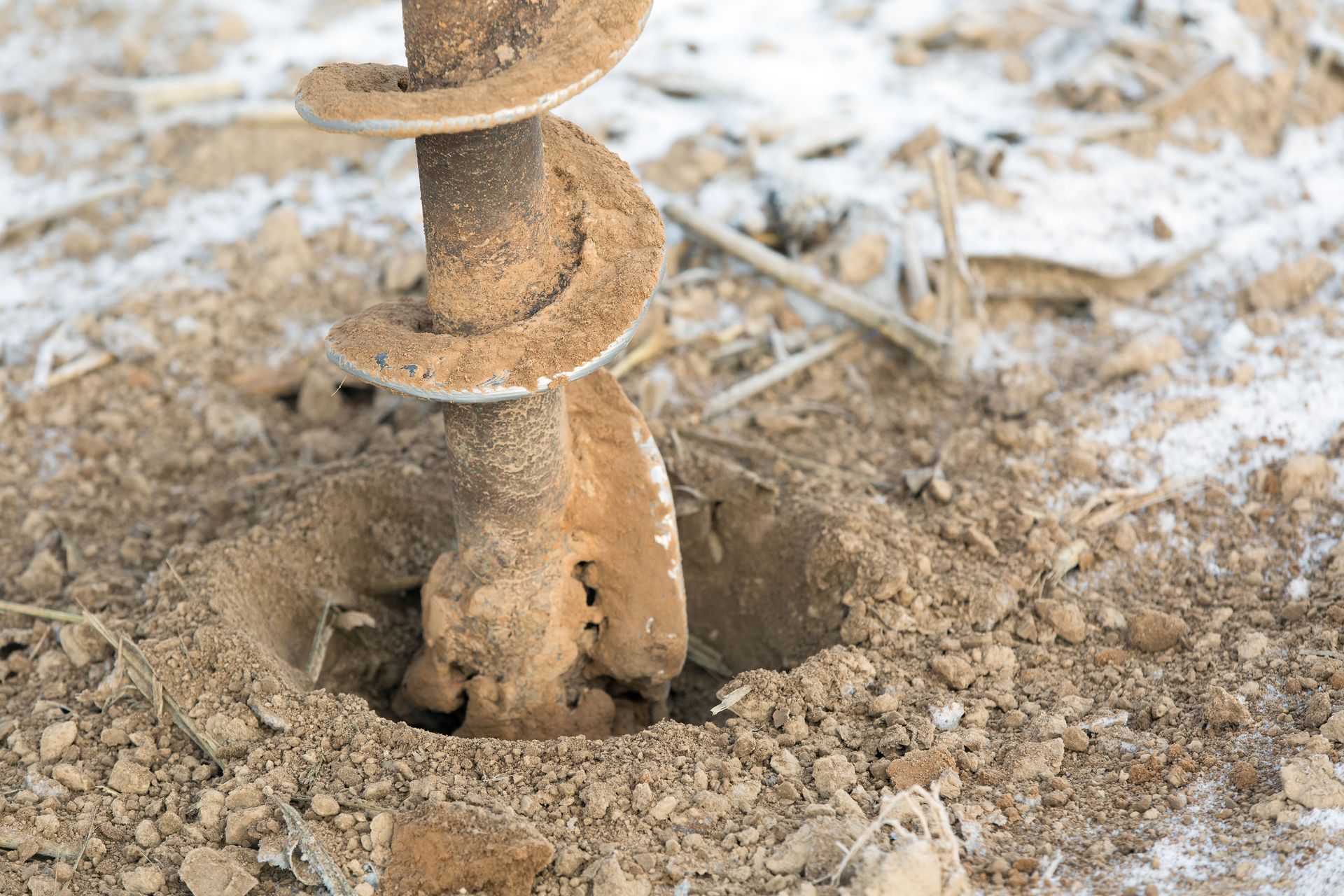
There are various types of wells, including dug wells, driven wells, and drilled wells, each serving different purposes and environments. Drilling methods like rotary drilling, cable tool drilling, and auger drilling are commonly employed depending on geological conditions. Rotary drilling, in particular, has gained popularity due to its speed and efficiency in penetrating hard rock formations. Auger drilling is often used for softer sediments, whereas cable tool drilling is effective in certain geologies. Selecting the appropriate drilling method is essential for a successful well installation.
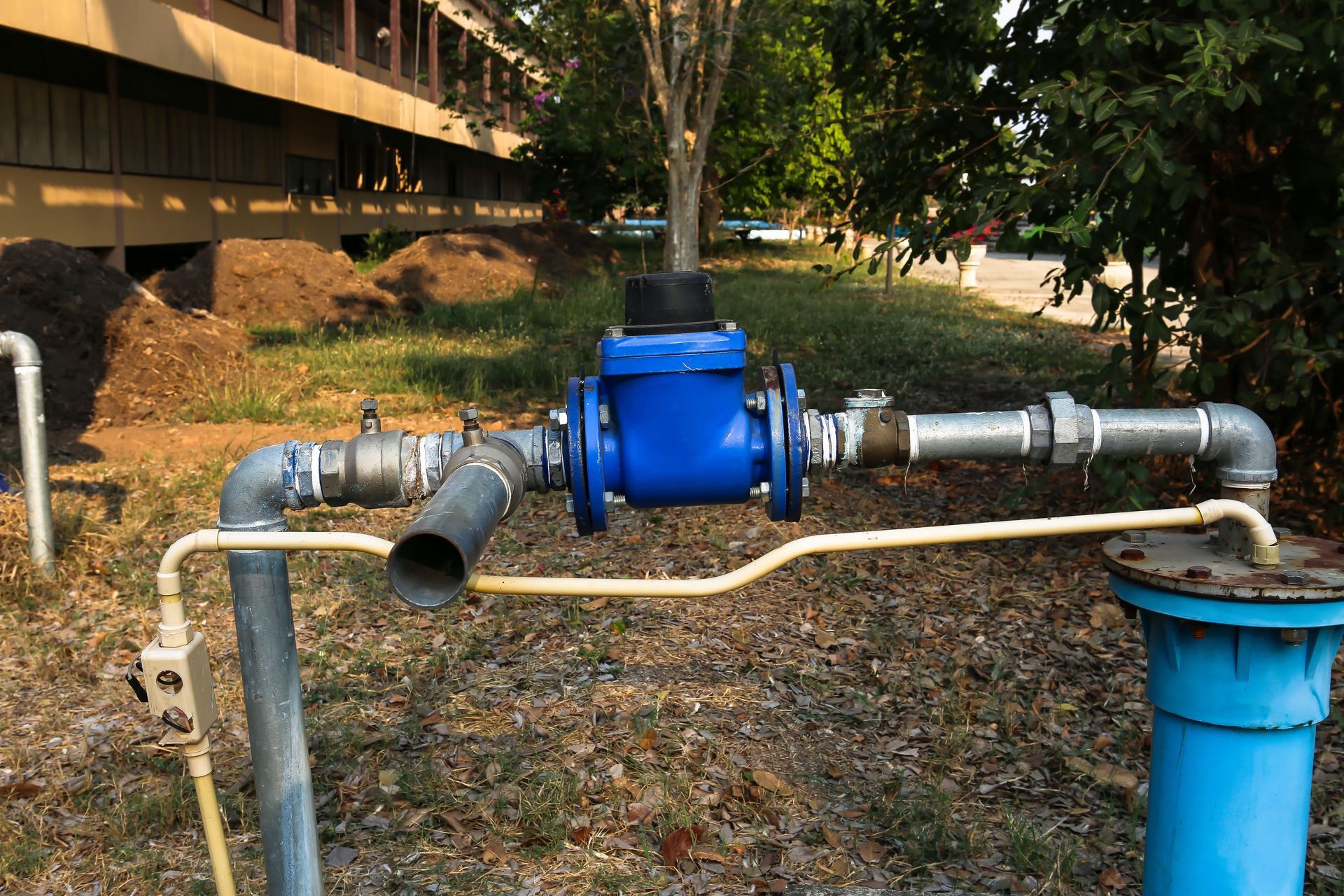
A water well comprises several key components, including the casing, screen, and well cap. The casing is a durable tube that fits inside the drilled hole, preventing it from collapsing and protecting the water source from contaminants. The screen is positioned at the bottom of the casing, allowing water to enter while filtering out sediment and debris. The well cap seals off the top of the well, safeguarding it from external elements. Together, these components ensure the well functions efficiently and remains safe for use.
Site Selection and Preparation
Choosing an appropriate site for drilling is perhaps the most critical step in water well installation. Factors such as proximity to potential contaminants, distance from septic systems, and legal boundaries influence site selection. Hydrological surveys and soil analyses provide valuable information for identifying the best location. Collaborating with experts like hydrologists can help ensure an optimal site that maximizes water yield and quality. A well-chosen site sets the foundation for a successful drilling operation and sustainable water supply.
Obtaining the necessary permits and adhering to legal requirements is mandatory before commencing drilling operations. These permits vary by region and encompass water rights, drilling licenses, and land use approvals. Engaging with local authorities and regulatory bodies facilitates the permit acquisition process. Adhering to legal stipulations helps avoid penalties and ensures that the drilling operation is recognized legally. Awareness of zoning laws and community guidelines also plays a crucial role in successful project execution.
Effective site preparation and access logistics are essential for a smooth drilling process. Clearing vegetation, leveling the ground, and constructing access roads are typical preparatory steps. Assessing logistical needs, such as equipment transportation and crew accommodation, is crucial for efficient operation. A well-planned site reduces the risk of disruptions and delays during drilling. Proper preparation also ensures that safety measures are effectively implemented throughout the project.
Drilling Process and Techniques
The drilling process involves several key stages, each contributing to the successful completion of a water well. It begins with site clearance, the assembly of drilling equipment, and the establishment of work zones. Once the site is prepared, drilling commences, penetrating the earth until the desired aquifer is reached. Throughout this process, compliance with safety protocols and environmental guidelines is paramount. Finally, once drilling is complete, well casing and screens are installed to secure the water source.
Various drilling techniques are employed depending on geological conditions and project requirements. Rotary drilling, often favored for its efficiency, uses a rotating drill bit to cut through rock formations, ideal for deeper wells. Auger drilling is more suited for softer soil types and shallower wells by employing helical screws to remove material. Advances in technology have introduced methods like percussion drilling, which utilizes impact force, expanding the range of available techniques. Selecting the appropriate method ensures optimal extraction and reduces potential complications.
Choosing the right equipment is critical to the success and efficiency of a water well project. Considerations include the depth of the well, the type of soil and rock formations, and the desired flow rate. Equipment must also comply with safety and environmental standards. Coordinating with equipment manufacturers and drilling experts can aid in selecting equipment that matches project specifications.
Well Construction and Development
The installation of casing and screens is vital in the construction of a functional water well. Casing, typically made from durable materials like steel or PVC, prevents the surrounding earth from collapsing into the well bore. Screens placed at the bottom of the casing allow for water inflow while filtering out debris and sediment. These components must be installed with precision to ensure proper alignment and integrity.
Grouting and sealing are critical steps to prevent contamination of the water supply. Grouting involves filling the annular space between the casing and borehole with materials like cement or bentonite. This process prevents surface water and contaminants from seeping into the well. Proper sealing preserves the well's structural integrity and protects the groundwater from environmental pollutants.
Well development techniques enhance the performance and yield of a newly constructed well. These techniques, such as surging, jetting, and airlifting, remove fine sediments and debris from the wellbore. By improving connectivity to the aquifer, well development ensures optimal water flow and quality. Ongoing monitoring and maintenance of well performance contribute to long-term efficiency.
Cost Considerations and Planning
The cost of water well drilling is influenced by factors such as location, geology, depth, and equipment. Remote locations and challenging terrains may incur higher logistical and transportation costs. Additionally, geological challenges, like rock formations and water table depth, can increase labor and equipment requirements. Cost estimates must account for regulatory compliance and environmental assessments.
Comprehensive budgeting for a water well project involves estimating costs across each project phase, from planning to construction. Engaging with financial analysts and industry experts assists in identifying and allocating costs appropriately. Consideration of operational expenses, such as maintenance and utilities, enhances budget accuracy. Developing a flexible budget accommodates unforeseen expenses and project-specific needs.
Investing in a private well delivers long-term savings and value by providing a self-sufficient, reliable water source. Private wells reduce dependency on municipal water supplies, offering protection against rate increases and shortages. Over time, the cost savings from lower water bills and avoidance of costly water delivery services become evident. According to IBISWorld, the market size of water well drilling services in the U.S. increased 3.9% in 2024, reflecting growing recognition of these long-term benefits.
Water well drilling is a complex and essential venture for anyone needing a consistent water supply. By addressing these key questions, individuals and communities can make informed decisions and ensure their water wells serve effectively and sustainably for years to come. The process involves careful planning, expert collaboration, and ongoing management to maximize the well's potential. If you need the services of a quality well drilling company, contact the experts at Foord Water Well Drilling & Service.